Travel Insurance for Ski Trips
There’s nothing quite like a ski trip – crisp air, mountain views, and days spent doing what you love. But even the best-planned ski trip can hit a snag. Flights get delayed. Bags (with your boots) take a detour. Storms shut down lifts. And sometimes, crashes happen.
That’s where ski travel insurance comes in. It’s there to protect your trip investment, and your bank account, so one unexpected wipeout doesn’t turn into a financial avalanche.
There are coverage options designed with all levels of skiers and snowboarders in mind. Many plans include protection for lift closures, weather delays, medical emergencies, and even the option to add Cancel for Any Reason (CFAR) coverage if you want extra flexibility.
What is ski travel insurance?
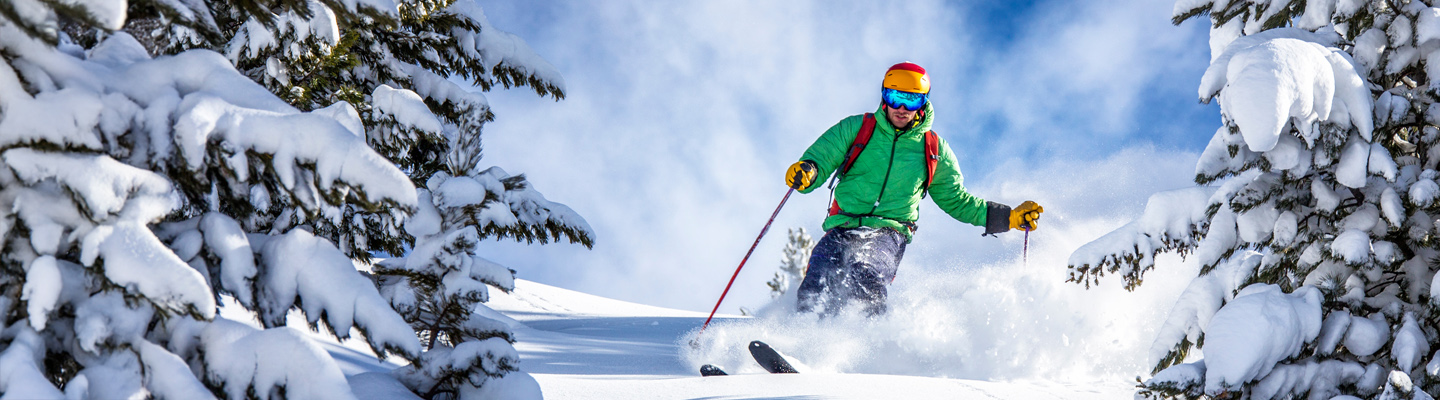
Ski travel insurance can cover common winter sports-related risks like slope closures, injuries, delayed gear, and emergency evacuations. Unlike traditional travel insurance, which may not cover adventure activities, ski travel insurance can cover skiing and snowboarding on marked trails.
What does travel insurance for ski trips cover?
Coverage can vary, but most winter ski travel insurance plans protect you from the most common ski trip disruptions. This includes:
- Trip cancellation and interruption
- Lost, stolen, or delayed baggage (including sports gear)
- Emergency medical expenses
- Medical evacuation and repatriation
- Ski pass reimbursement due to weather or lack of snow
- Search and rescue services
- Evacuation to safety in the event of a natural disaster or political unrest
Does travel insurance cover ski accidents?
Yes, ski accidents may be covered under policies that include adventure or winter sports. This is important because most standard health insurance plans won’t cover injuries sustained while skiing, especially outside your home country. Some plans may offer robust medical and accident protection, including emergency evacuations if you need to get specialized care and treatment for injuries like fractures, concussions, and more.
How much does ski trip insurance cost?
The cost of ski trip travel insurance depends on several factors, including your destination, trip length, traveler age, and the level of coverage you choose. Generally, plans range from 4% to 10% of your total trip cost.
For example: Say you’re planning a 7-day ski trip to Colorado; a policy might cost around $130–$320.
Use SOVENTURE’s quote tool to compare plans and find the best fit for your mountain escape.
When should I buy ski trip travel insurance?
Most plans offer pre-existing condition waivers and CFAR benefits only if you purchase your policy within 14–21 days of your initial trip deposit. This time-sensitive window varies by plan. Buying early also helps lock in coverage for cancellations, delays, or weather-related disruptions before they happen.
The earlier you purchase your travel insurance, the more comprehensive your protection can be – especially for expensive winter holidays that include prepaid lift tickets, equipment rentals, or nonrefundable lodging.
What is the best ski travel insurance?
The best ski travel insurance depends on your destination, type of skiing, and the level of protection you need. Factors like whether you’re traveling domestically or internationally, participating in recreational or high-adventure sports, or looking for flexibility like Cancel for Any Reason coverage all play a role.
Some travelers may need higher medical limits or gear protection, while others prioritize emergency evacuation or trip cancellation benefits. The right plan should match your itinerary, risk level, and budget.
Every ski trip is different, which is why comparing plans is key. SOVENTURE makes it easy to explore options and customize coverage to fit your winter adventure. Start your quote today!