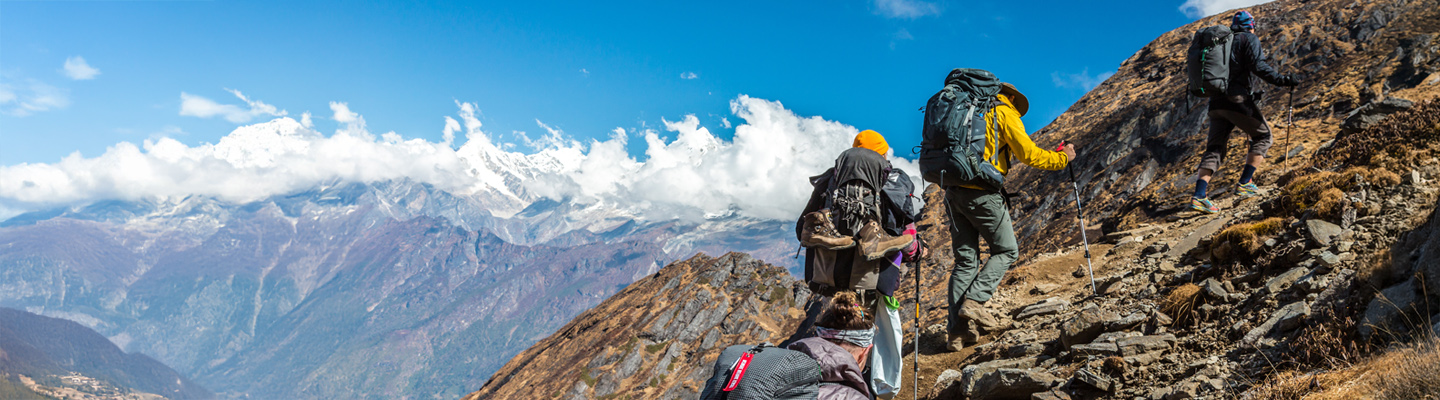
Travel Insurance for Backpacking Trips
If you’re spending your vacation time between hostels, trekking through Asia, or exploring Europe with just a backpack, then backpacker travel insurance is one thing you won’t want to leave behind.
There are backpacking travel insurance options for every type of explorer. Many plans include benefits like emergency medical coverage, evacuation services, baggage protection, and even Cancel for Any Reason (CFAR) for total flexibility.
What is backpacker travel insurance?
Backpacker travel insurance is designed to cover the unique risks that come with extended, flexible travel – especially for international or long-haul trips. Unlike standard policies, travel insurance for backpackers often includes protection for adventure sports, medical emergencies abroad, and multi-country itineraries. It’s built for people who are on the move and need flexible, worldwide support.
What does backpacking travel insurance cover?
Coverage varies by provider and plan, but most backpacker insurance may include:
- Trip cancellation and trip interruption
- Emergency medical care and evacuation
- Baggage loss, theft, or delays (including camping or hiking gear)
- Search and rescue if you’re exploring remote areas
- Political or natural disaster evacuation
- Coverage for adventure activities like hiking or camping abroad
Some plans even allow you to customize coverage with upgrades, like rental protection or extended trip interruption benefits, making them especially useful for digital nomads or long-term travelers.
Do I need travel insurance for backpacking?
Yes, especially if you’re heading overseas, visiting multiple destinations, or engaging in outdoor or high-adventure activities. Most domestic health plans don’t offer coverage abroad, and even minor issues like a missed connection or lost bag can have a big impact when you’re traveling on a budget. Backpacking travel insurance helps cover these unexpected events, so you can focus on the adventure ahead.
How much does backpacker travel insurance cost?
The cost of backpacker insurance depends on your destination(s), trip length, age, and the level of coverage you choose. In general, expect to pay around 4%–10% of your total trip cost.
For example: Let’s say you’re planning a two-month trip through Southeast Asia, with nonrefundable costs totaling $3,000. The premium might cost between $120 and $300 depending on the benefits and coverage limits you select.
SOVENTURE makes it easy to compare plans online and find the best fit.
When should I buy travel insurance for backpacking trips?
To take advantage of features like pre-existing condition waivers or Cancel for Any Reason (CFAR), it’s best to buy your insurance within 14–21 days of your first trip payment. Buying early also ensures you’re covered for things like trip cancellation or unexpected delays.
Even if you haven’t finalized every leg of your trip yet, buying travel insurance early gives you broader protection, especially helpful for backpackers booking flights, hostels, or tours across multiple countries.
Can I buy backpacking trip insurance while already abroad?
Some backpacker travel insurance options may be available even if you’re already traveling, but coverage might be limited, and certain benefits like CFAR typically require early purchase. If you’re already abroad, be sure to compare options carefully and review any eligibility requirements.
What is the best travel insurance for backpackers?
The best backpacker travel insurance plan is one that aligns with your travel style, destinations, and activities. If you’re heading to Australia, Europe, or Asia for an extended adventure, look for coverage that includes:
- Strong medical and evacuation benefits
- Protection for pre-existing conditions
- Baggage and gear coverage
- Adventure activity inclusions
- Flexibility for trip changes or interruptions
Whether you’re looking for something inexpensive and basic or a plan with premium benefits, the key is to compare plans and tailor your coverage to your needs. SOVENTURE’s quote tool makes it easy to review options and get advice on what coverage makes sense for your journey.